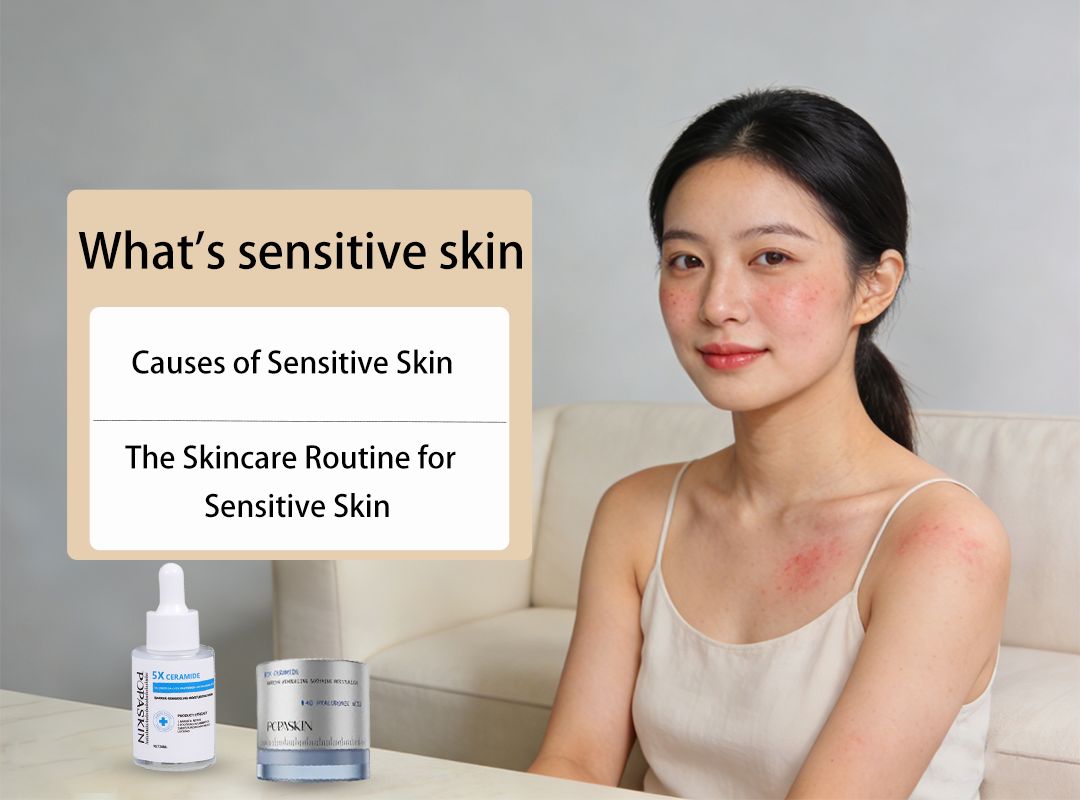
Seasonal redness, heat-induced sensitivity, skincare products causing tightness and itching, and occasional dry patches with red spots - if these skin issues constantly bug you, you're most likely dealing with sensitive skin.
Sensitive skin is essentially a high-reactive skin condition, not a specific skin disease. With the right understanding and approach, you can gradually develop a more stable, healthier complexion.
Today, we're breaking it all down - from 'What is sensitive skin?' to 'How to scientifically care for your skin' - even total newbies can totally nail this guide!
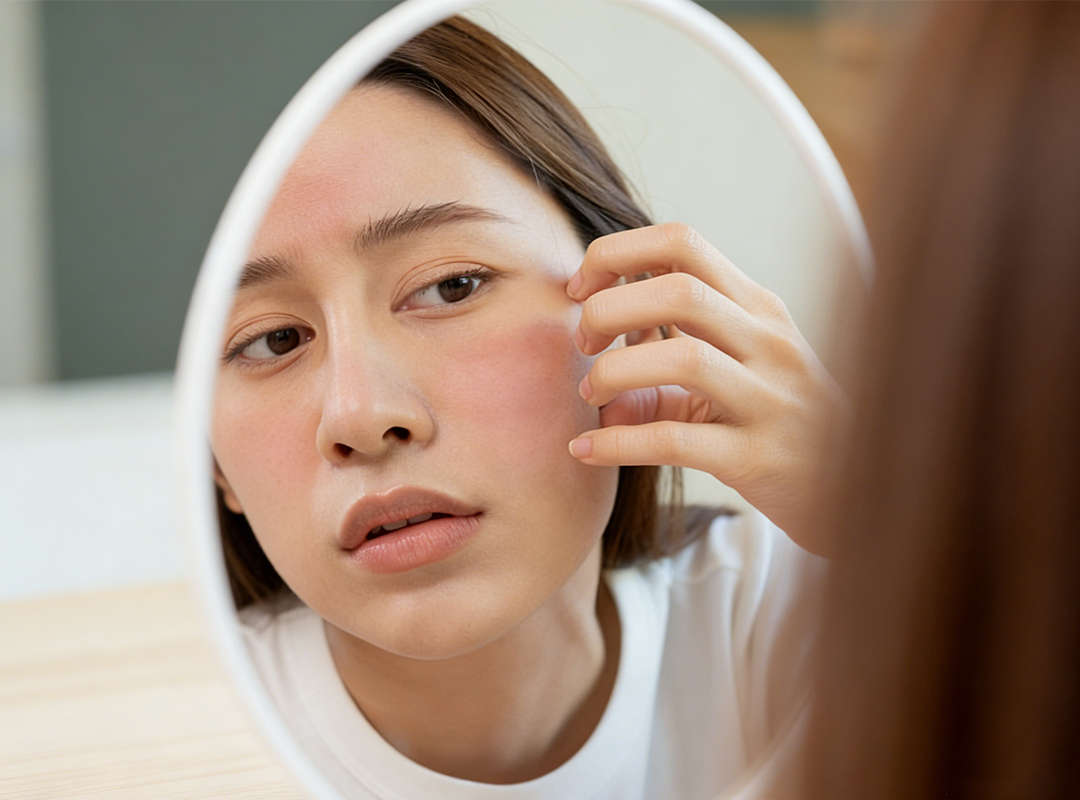
I. First, get it: What is sensitive skin?
Sensitive skin refers to a highly reactive skin condition that occurs under physiological or pathological conditions, primarily affecting the face. Its core characteristics are: when exposed to physical, chemical, or mental stimuli, the skin easily develops subjective symptoms like burning, stinging, itching, and tightness, with or without objective signs such as redness, scaling, or dilated capillaries.
Simply put, healthy skin is like an intact 'protective wall' that can lock in moisture and defend against external irritants. In contrast, sensitive skin's 'protective wall' has gaps, with a compromised skin barrier that leads to easy moisture loss and significantly reduced tolerance to external stimuli. Even minor temperature changes or trace irritative ingredients in regular skincare products can trigger an 'overreaction', causing various discomforts.
2.Diving Deep into the Roots: Causes of Sensitive Skin, Both Internal and External Factors
Caring for sensitive skin is never a one-day thing; it's the result of a combination of internal (genetic) and external (environmental) factors that build up over time, with the latter being the main cause for most people.
(I) Sensitive Skin: The Genetic Predisposition
This is the innate foundation of sensitive skin, primarily determined by genetics, accounting for about 30%. If your parents have sensitive skin, you're likely to inherit this delicate skin type. Moreover, factors like age, gender, and hormone levels influence sensitive skin occurrence—younger individuals have a higher incidence rate than older people, and females are more prone than males. Women experience temporary skin sensitivity during hormonal fluctuations like menstrual periods, pregnancy, and menopause. Excessive mental stress can trigger the release of neural depressant peptides, potentially inducing or exacerbating skin sensitivity.
(II) Acquired Sensitivity
This is the 'main culprit' for most people developing sensitive skin, and it's the part we can actively avoid and improve. It mainly falls into 4 categories:
-
Improper Skincare (Most Common): Frequent exfoliation, using soap-based cleansers or harsh cleaning products that directly damage the sebum film and stratum corneum; blindly layering strong ingredients (high-concentration glycolic acid, salicylic acid, retinol), frequently applying masks leading to over-hydration, can all harm the skin barrier; using skincare products containing alcohol, fragrances, and strong preservatives continuously irritates the skin, triggering sensitivity.
-
Environmental Triggers: Shifting seasons, sudden temperature changes, sun exposure, strong winds, and air pollution continuously assault the skin barrier, worsening sensitive symptoms. UV rays are the 'arch-nemesis' of sensitive skin - they don't just cause darkening and pigmentation, but directly damage the skin barrier and intensify redness and stinging.
-
Medical Sources and Skin Disease Factors: Topical irritant drugs, prolonged and excessive use of topical corticosteroids, or improper post-laser cosmetic treatment can all trigger sensitive skin.
-
Lifestyle Impacts: Staying up late, consuming spicy and stimulating foods, high-sugar and high-salt diets, or extreme dieting can affect skin metabolism and barrier repair capabilities. Frequently touching or scratching your face can transfer bacteria from hands to skin, intensifying irritation. High mental stress and emotional fluctuations can also impact skin condition through endocrine and nervous systems, reducing skin's resistance.

3.Key Step: Skincare for Sensitive Skin - Remember the '2 Out of 3' Rule
The core of sensitive skin care is 'simplified, gentle, and stabilizing'. Choosing the right skincare products is more important than applying multiple products. Don't chase 'multi-functional' features; focus on reducing skin stress and repairing the skin barrier. Keep in mind the '2 out of 3 avoid' principle to steer clear of potential skincare pitfalls.
(I) 3 Must-Follow Principles for Sensitive Skin Care
-
Ingredient Priority: Repair-Focused Choose products containing ceramides, squalane, vitamin B5 (panthenol), hyaluronic acid, and cholesterol. These are crucial components of the skin barrier that directly replenish missing lipids, help repair damaged barriers, enhance moisture retention, and soothe skin sensitivity.
-
Formula Priority: Minimalist Approach The simpler the skincare ingredient list, the better. Opt for products free from fragrances, alcohol, colorants, and strong preservatives to minimize the risk of skin irritation.
-
Texture Priority: Gentle and Appropriate For dry and sensitive skin: Choose moisturizing lotions or creams to prevent skin dryness and tightness. For oily and sensitive skin: Select lightweight lotions and avoid heavy, greasy textures that could worsen acne and sensitivity.
(II) 2 Must-Avoid Skin Care Danger Zones
-
Steer Clear of Irritating Ingredients: Alcohol (speeds up moisture loss and damages skin barrier), synthetic fragrances (common allergens), harsh preservatives, high-concentration acids (over-exfoliating), soap-based products (strong cleansing that disrupts sebum membrane), and certain highly allergenic essential oils (like peppermint or lemon oil). These ingredients will irritate sensitive skin and intensify discomfort.
-
Avoid Excessive Product Layering: Sensitive skin doesn't need multiple product functions stacked together. Mixing whitening, anti-aging, and acne treatments can put tremendous strain on your skin. Don't frequently switch skincare products either. Your skin needs time to adapt, and constant changes can worsen barrier damage. Stick to one product line for 2-3 months, then assess your skin's condition before making adjustments.
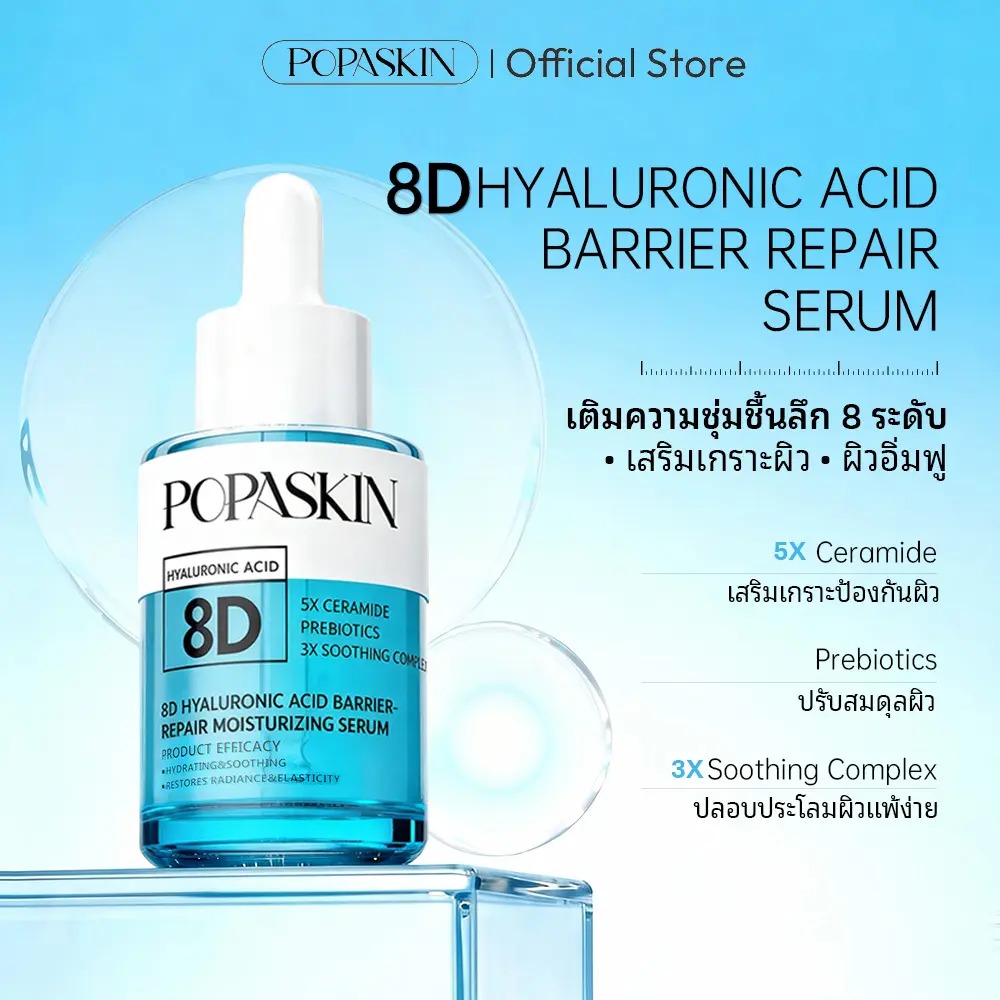
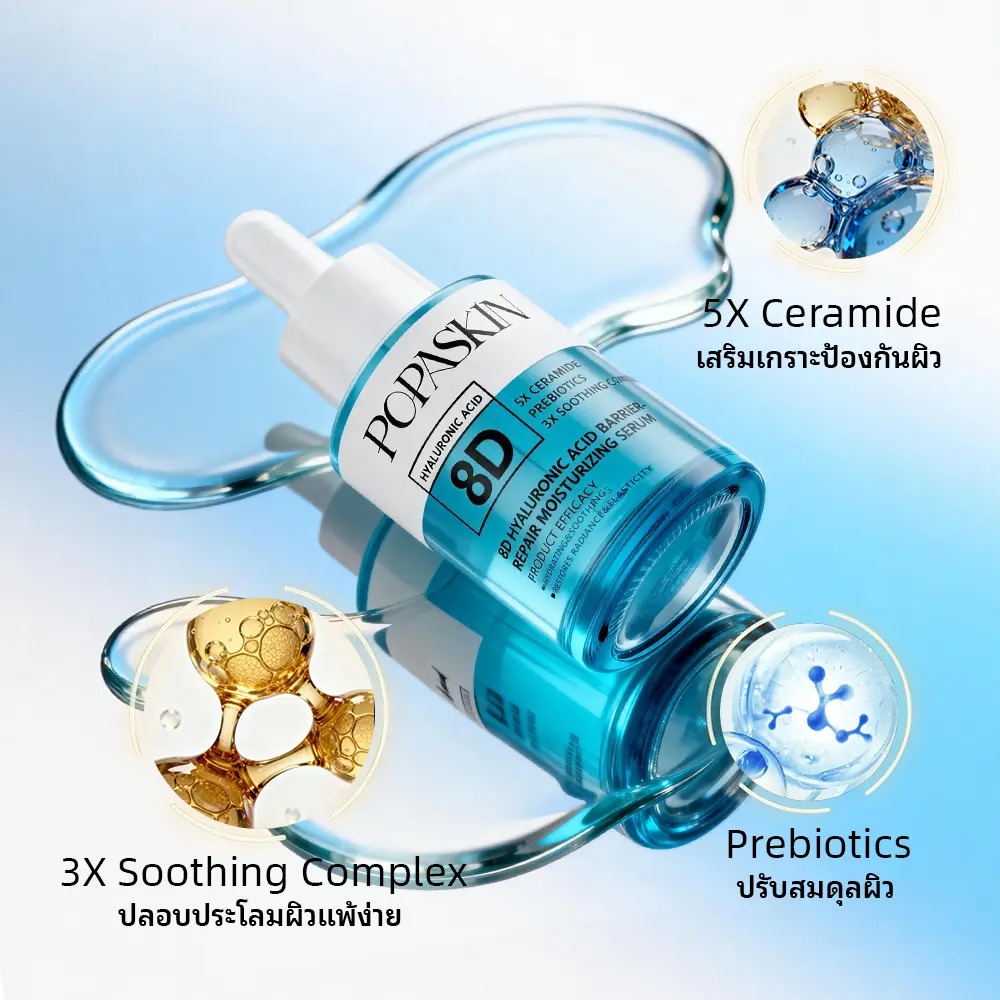
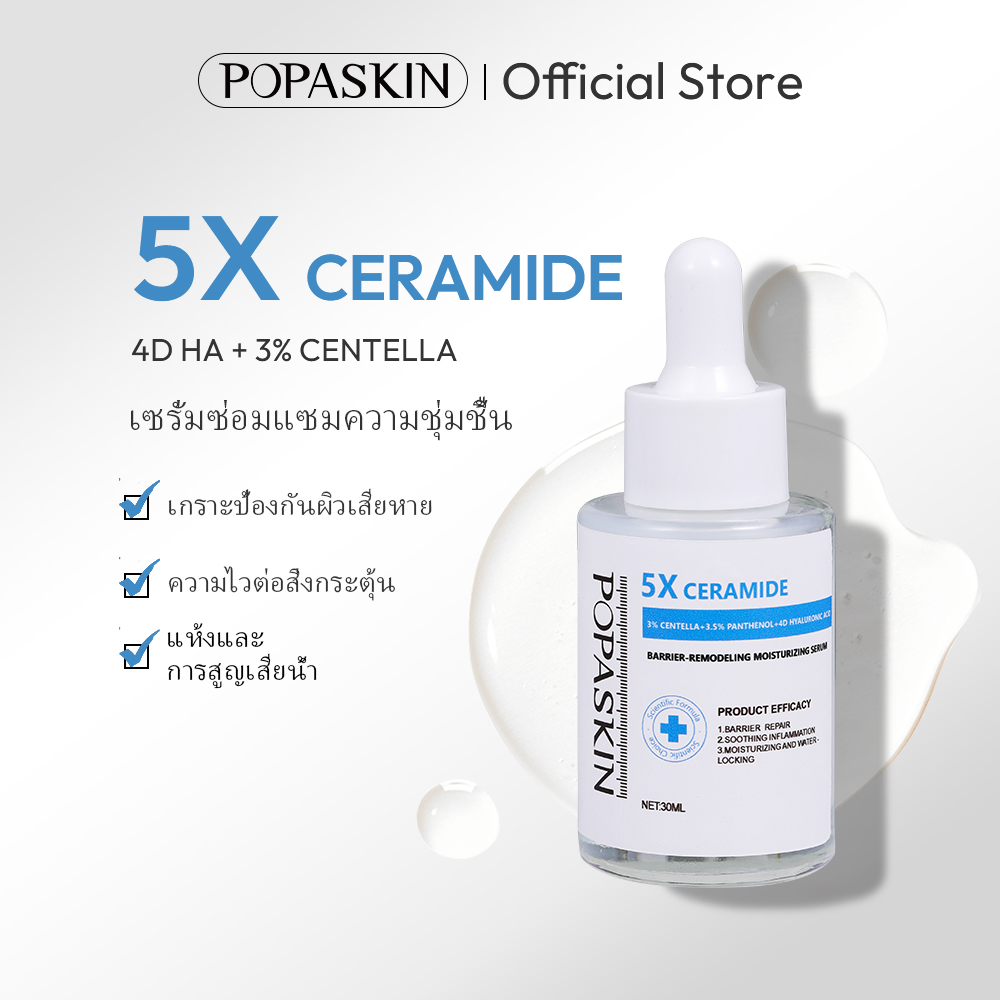
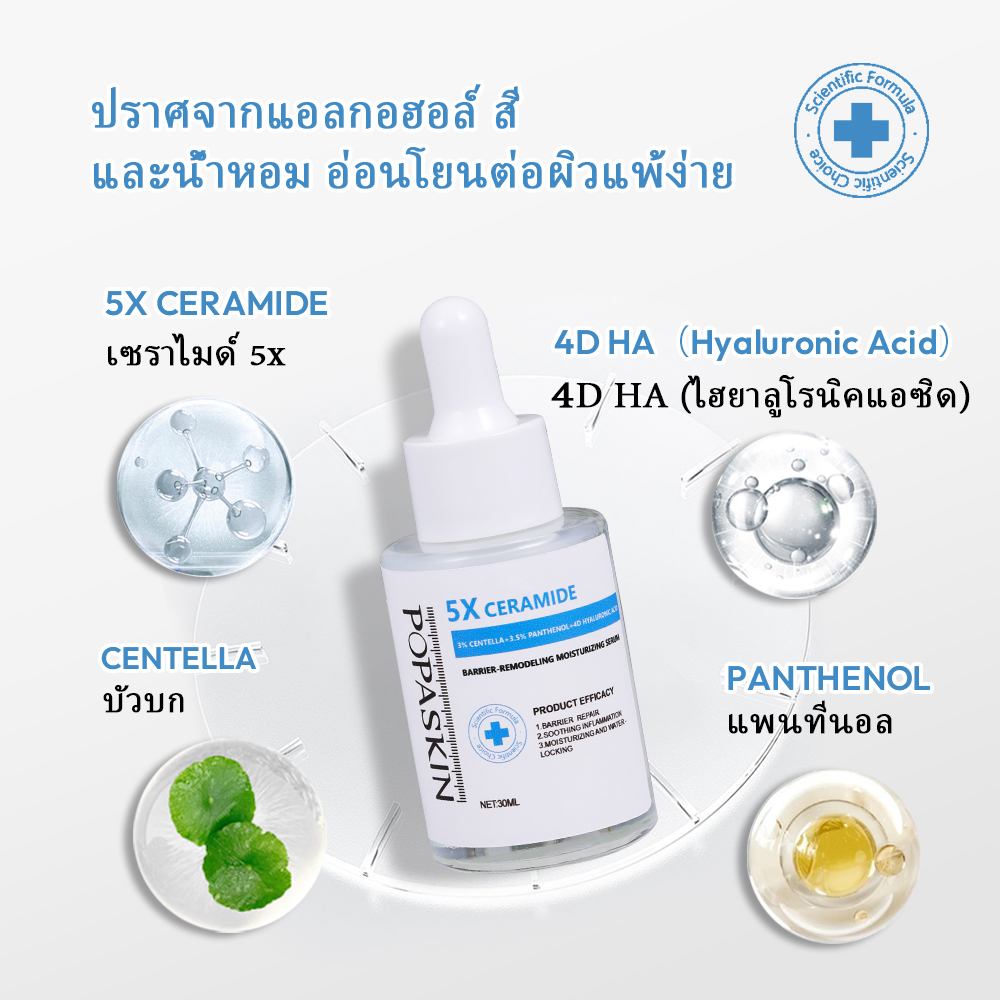
✅POPASKIN 5X Ceramide Hydrating&Repairing Serum
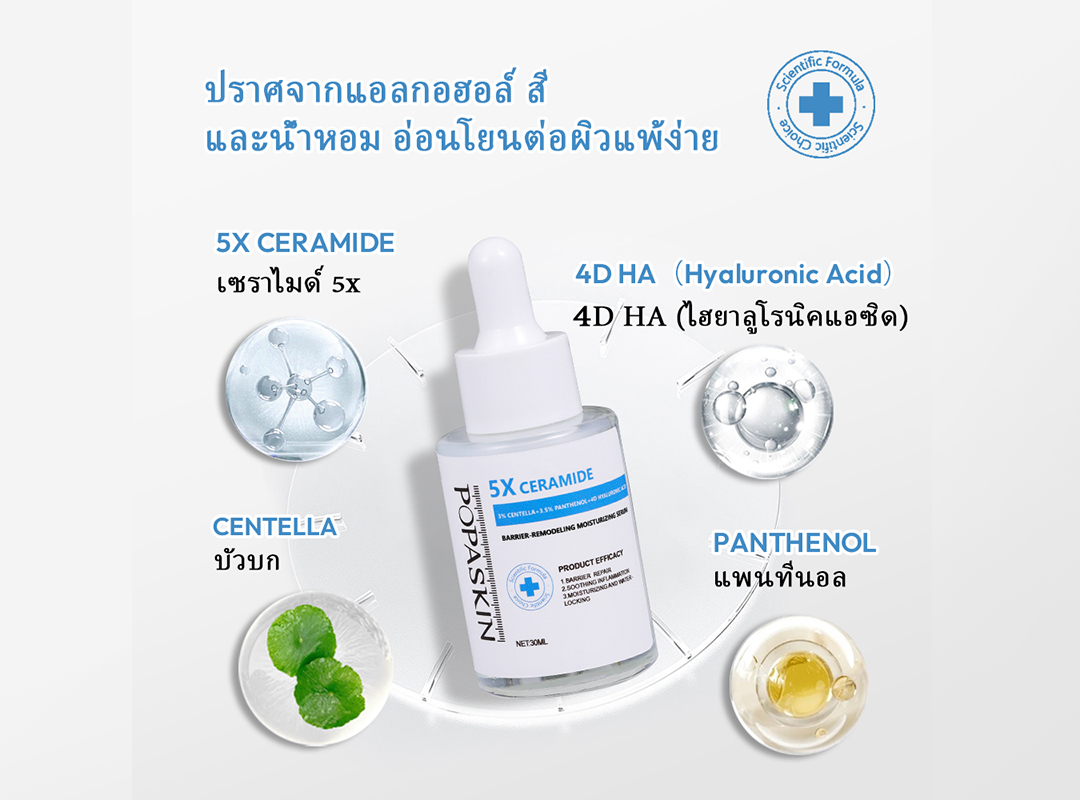
Our formula packs a powerhouse of 5 different types of ceramides (5x ceramide boost), including Ceramide NP, Ceramide EOP, Ceramide AP, Ceramide AS, and Ceramide NS. These work together like a dream team to effectively repair and maintain your skin's natural barrier.
Infused with centella extract, this product soothes your skin and speeds up healing. We've kept it clean - no alcohol, no parabens, no mineral oils. It's 100% vegan and cruelty-free, making it a total game-changer for sensitive skin.
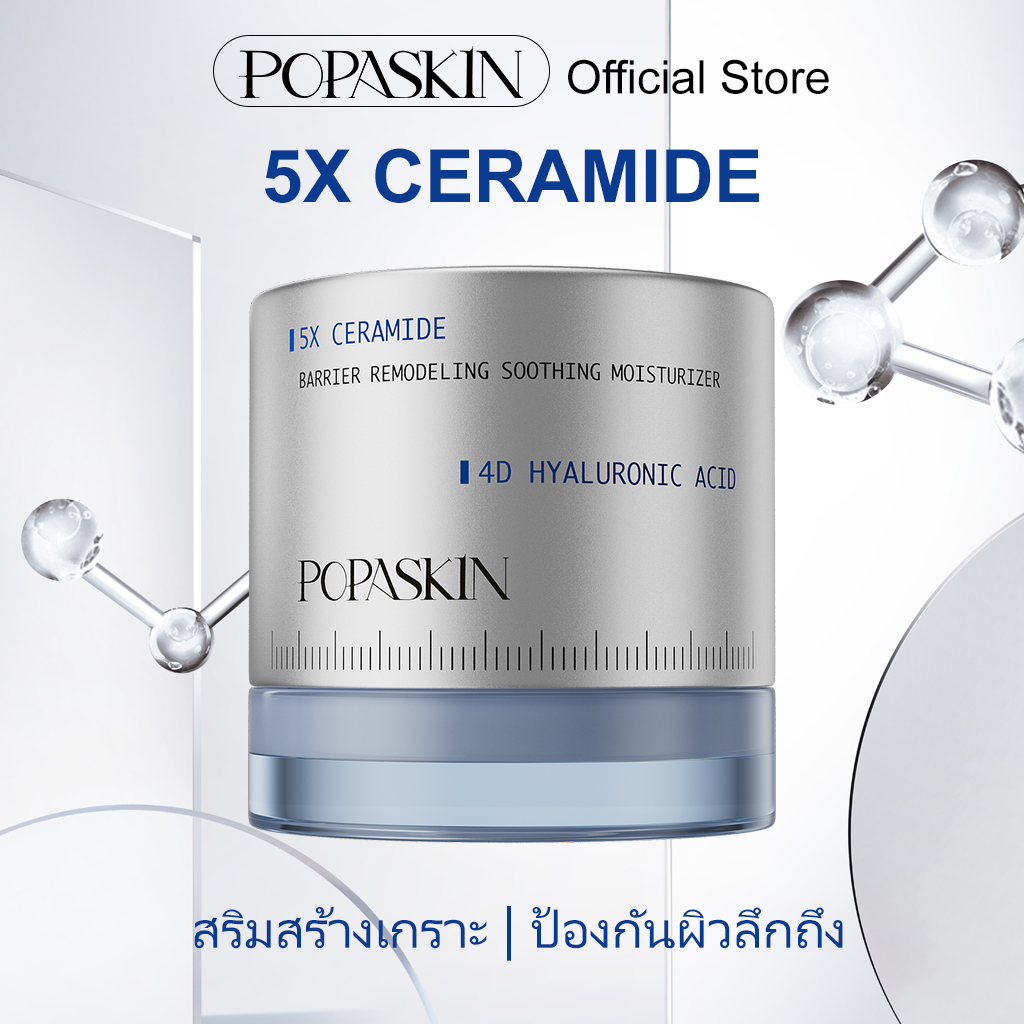
✅POPASKIN 5X CERAMIDE BARRIER SOOTHING MOISTURIZER
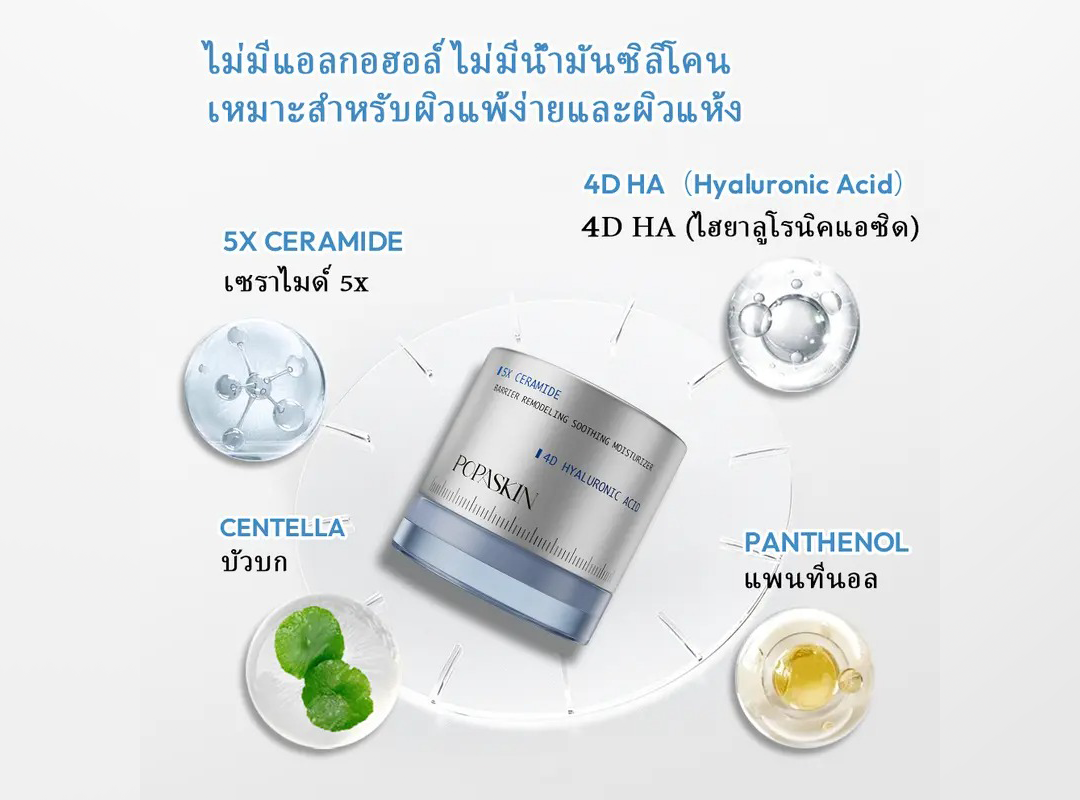
Our formula packs a powerful punch with 5 types of ceramides (5x ceramide boost), designed to repair your skin barrier, hydrate and soothe stressed-out skin cells, calm down redness, and give your complexion a serious glow-up.
We're talking serious protection against harsh UV rays and city pollution that love to mess with sensitive skin. Packed with centella asiatica, this bad boy helps calm your skin and speed up healing. The texture? Think lightweight, semi-transparent cream that melts into a water-like finish - zero residue, zero greasiness.
Chapter 4: Sensitive Skin Care Guide: Frequency and Complete Routine (Stage-by-Stage Adaptation)
Skincare for sensitive skin doesn't have to be complicated. The key is 'gentle cleansing, prioritize hydration, and strictly protect from sun'. Adjust the frequency and routine based on your skin condition to avoid over-treating. Here are two routines: one for daily maintenance and another for emergency sensitive skin periods - perfect for beginners to follow directly.
(I) Daily Stabilization Period (Skin Without Obvious Redness or Stinging, Stable Condition)
Core Principle: Simplify steps, gentle repair, moderate frequency, focus on maintaining stable skin barrier.
1.Skincare Frequency
Cleansing: Once in the morning and evening; if no makeup or heavy sweating during the day, rinse with 32-38°C warm water directly at night, avoiding excessive cleansing with facial products.
Moisturizing: Once in the morning and evening, can add 1 repair serum (small amount) before lotion/cream based on skin dryness.
Sun Protection: Once daily, reapply every 2-3 hours when outdoors, reapply after sweating or water contact; recommended when near windows indoors (UV rays penetrate glass and damage skin).
Mask: 1-2 times per week, no more than 10 minutes each time, choose gentle repair masks, avoid over-hydration that disrupts keratin layer arrangement and increases sensitivity.
2.Complete Skincare Routine (Follow the Steps)
Step 1: Gentle Cleansing - Wet your face with 32-38°C water, take a small amount of amino acid facial cleanser, and gently massage in circular motions with your fingertips (avoiding the eye area) for no more than 30 seconds. Rinse thoroughly with warm water, then pat dry with a clean cotton towel or facial cloth. Avoid rubbing to prevent damaging skin texture.
Step 2: Soothing Hydration - Gently pat or lightly wipe with a cotton pad a mild repairing toner/essence to quickly replenish moisture and relieve tightness after cleansing. Be gentle and avoid harsh rubbing.
Step 3: Repair Serum (Optional) - Apply 1-2 drops of repair serum containing ceramides and squalane evenly across the face. Gently massage until absorbed to help repair the skin barrier and enhance skin resilience.
Step 4: Moisture Locking - Apply an appropriate amount of repairing lotion/cream. Choose a rich cream for dry sensitive skin, or a lightweight lotion for oily sensitive skin. Gently massage until absorbed to lock in moisture and reinforce the skin barrier.
Step 5: Strict Sun Protection - Apply a physical sunscreen with SPF30-50, PA+++. Apply 15-20 minutes before going out to ensure complete absorption. When outdoors, combine with a wide-brimmed hat and umbrella for double protection (hard sun protection is the safest method for sensitive skin).
(II) Sensitive Skin First Aid (Redness, Stinging, Itchiness, Severe Barrier Damage)
Core Principle: Minimalist Skincare, Stop All Potential Irritants, Focus on Soothing and Repair to Help Skin Quickly Stabilize.
1.Skincare Frequency
Cleansing: Once daily, preferably with lukewarm water. If residue remains, use a mild amino acid cleanser, rinse quickly. Moisturizing: Once in the morning and evening, can add one midday touch-up (small amount of lotion/cream) to prevent excessive dryness. Sun Protection: Avoid going out if possible. If needed, use physical barriers (wide-brimmed hat, umbrella, long-sleeved clothing), skip sunscreen to prevent skin irritation. Face Masks: Pause usage. For extremely dry skin, use a repair mask once a week, no more than 5 minutes, to avoid overwhelming the skin.
2.First Aid Skincare Routine (Simplified Version)
Step 1: Ultra-Quick Cleansing - Gently rinse your face with lukewarm water, skipping facial cleanser, or use a tiny bit of amino acid cleanser for a quick wash, then pat dry.
Step 2: Cold Compress Soothing - Use a clean cold towel or sterile gauze that's been chilled, apply to sensitive areas for 10-15 minutes, 2-3 times daily. This helps shrink capillaries and calm redness and stinging (avoid direct ice to prevent skin damage).
Step 3: Minimal Moisturizing - After cold compress, apply a gentle lotion/cream with ceramides and squalane. Skip toner and serums to reduce skin stress, focusing on locking in moisture and repairing skin barrier.
Step 4: Trigger Avoidance - Pause all active skincare and makeup products. Steer clear of pollen, dust mites, and other allergens. Avoid spicy foods, maintain regular sleep patterns to help skin recover.
Note: If sensitivity symptoms are severe (like swelling, peeling, intense itching), or no improvement after 2-3 days of first aid, immediately consult a dermatologist. Do not self-medicate or use home remedies.
5.Final Reminder: For Sensitive Skin, Patience Trumps Speed
Repairing your skin barrier is a gradual process that can take months or even longer. Don't rush it. Many people give up after just 1-2 weeks when they don't see immediate improvement, or constantly switch skincare products and try harsh treatments, which only makes sensitive skin issues worse.
Remember: The key to sensitive skin care isn't 'quick-fix repair' but 'long-term stability'. Ditch the over-complicated skincare routines and impulse product purchases. Stick to the principles of 'minimal, gentle, and healing'. Avoid irritants and take it slow - your skin will definitely become more stable and break free from redness and irritation over time.



.jpeg?w=1000&h=1000)
.jpeg?w=1000&h=1000)
.jpg?w=1080&h=800)