Today's guide will help you understand the underlying logic of acne and the effective ingredients in acne-fighting products. No more blindly following trends; you'll be able to judge which ingredients suit you best.
Table of Contents
I. Why does my skin always break out in acne?
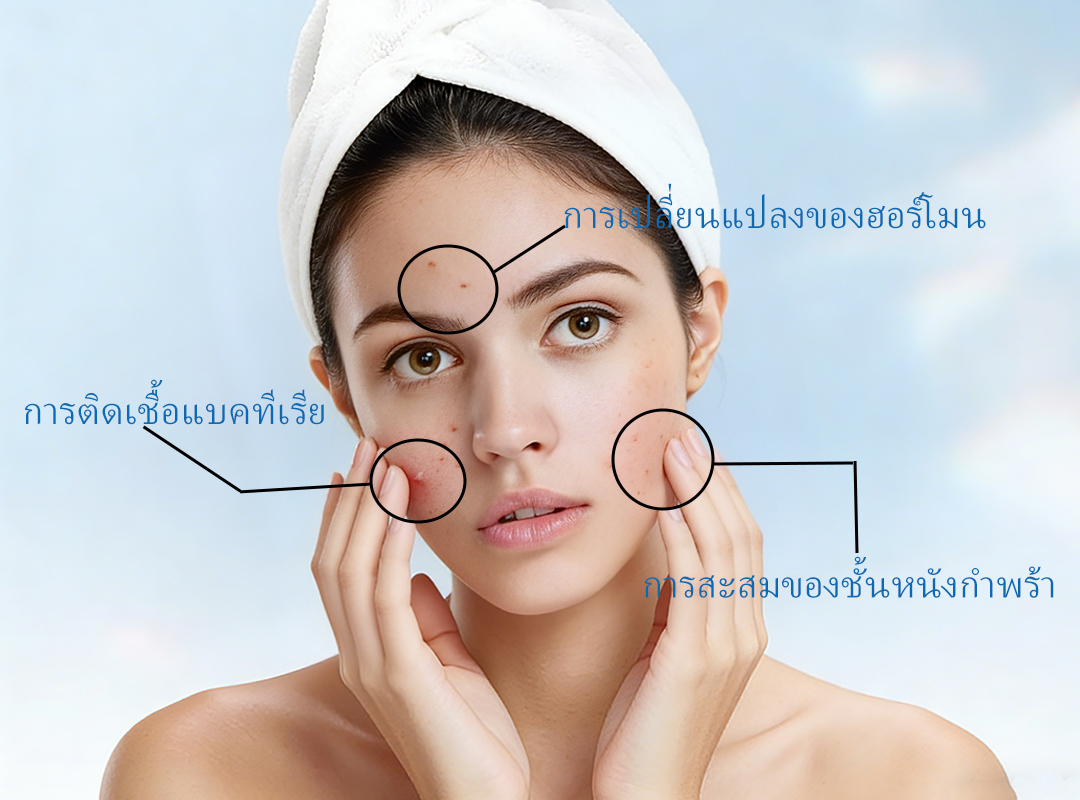
Hormonal fluctuations
This is the root cause of recurring acne, especially for teenagers, those during their menstrual cycle, night owls, and high-stress individuals. When testosterone levels rise, it stimulates sebaceous glands to overproduce oil, clogging pores and creating 'sebum plugs'. With bacterial growth, this leads to the inflammation of those dreaded red, pus-filled zits.
For instance, frequent late nights, anxiety, and consuming too much high-sugar and high-fat foods can indirectly cause hormonal imbalances, making acne pop up repeatedly. For some women, acne worsens before their period due to hormonal fluctuations, with these breakouts typically appearing around the chin and jawline.
Oily skin and clogged pores
Beyond hormonal influences, if you're born with an 'oil factory' skin type that naturally produces excess sebum, things can get tricky. When these oils aren't cleaned off promptly, they mix with dead skin cells and dust on the surface, clogging your pores and forming blackheads. If these blocked pores get infected by bacteria, you'll end up with swollen, angry pimples.
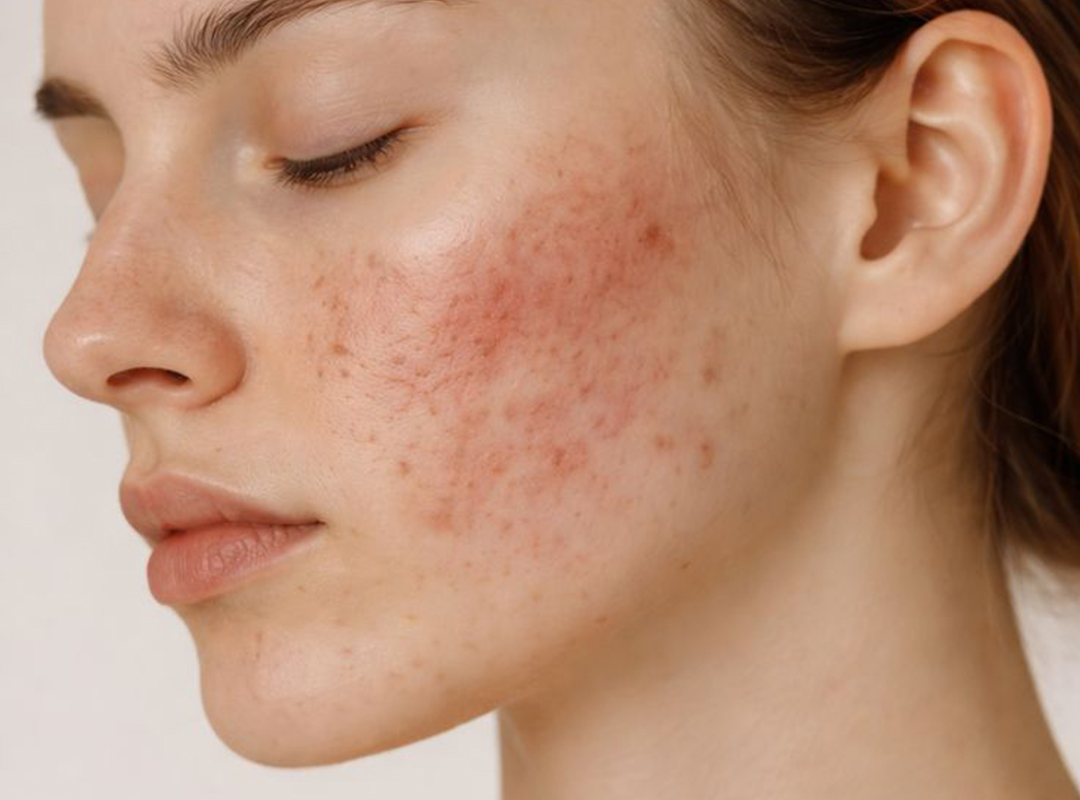
Skin barrier damage
Healthy skin barriers fend off bacteria and external irritants, but frequently exfoliating, using harsh products, and constantly popping pimples can damage the skin's defenses, making it sensitive and fragile. This allows bacteria to more easily invade pores, trigger inflammation, and makes it harder for acne to heal. It can also lead to stubborn acne marks.
Other factors
Genetics, constantly touching your face with your hands, using overly moisturizing or greasy skincare products, and a dusty environment can all indirectly trigger or worsen acne.
II. What are the truly effective ingredients in acne products?
There are tons of acne products out there, but let's be real - there are only a few core active ingredients. Different ingredients target different types of acne and have varying effects. Don't just blindly chase after 'trendy ingredients'. Instead, choose based on your specific acne causes and type.
All the ingredients listed below have been clinically tested, are safe and effective, and form the core formulas of mainstream acne treatments.
Salicylic Acid (BHA)
Salicylic acid is oil-soluble, and its biggest advantage is its ability to penetrate deep into pores, dissolving sebum plugs. It gently exfoliates the skin's surface, tackling clogged pores at their root. It's perfect for dealing with blackheads, whiteheads, and acne caused by excessive oil production.
What's more, salicylic acid has anti-inflammatory properties that help calm down acne-related redness and can even improve mild inflammatory breakouts.
Ingredients with retinoid properties (such as retinol, adapalene, etc.)
Vitamin A derivatives are the 'star ingredients' for tackling acne. Their primary function is to regulate skin cell turnover, preventing excessive keratin buildup that clogs pores. They also suppress sebaceous gland secretion, addressing acne at its root - perfect for those prone to recurring breakouts and blackheads.
Among these, adapalene is the most commonly used Vitamin A derivative for acne treatment. It's relatively mild and not only helps clear acne but also improves large pores and fades acne scars. Retinol is better suited for those looking to combat both aging and acne, but users need to build tolerance. Initial use might cause side effects like peeling, dryness, and tingling. It's recommended to pair it with a moisturizing product.
Niacinamide
Niacinamide is a powerhouse for regulating sebum production, cutting down on excess oil while healing damaged skin barriers and boosting your skin's defense. It's a game-changer for acne-prone skin, helping to stop those pesky breakouts in their tracks. Plus, it works magic on dark spots, blocking melanin transfer and giving your complexion a brighter, more even tone. Perfect for those struggling with oily or sensitive, acne-prone skin.
Tea tree essential oil
Tea tree oil is a natural acne-fighting ingredient, known for its strong anti-inflammatory and antibacterial properties. It can quickly soothe the inflammation of mild red and swollen acne, reducing the redness and pain of pimples. It's perfect for those who occasionally get pimples or have a small number of them.
III. Acne product recommendations
1. POPASKIN 2%BHA+MA ACNE CARE CALMING SERUM
-0.png?w=1080&h=810)
This product uses a dual-acid strategy with BHA (salicylic acid) + MA (mandelic acid): BHA penetrates pores to clean excess oil, while MA gently removes dead skin cells. The perfect combination effectively treats acne while reducing irritation, so even sensitive skin can use it with confidence.
It also features a golden combination of 3% niacinamide and zinc PCA, which not only controls oil and eliminates acne but also accelerates the fading of acne marks, improves skin texture, and leaves your skin smoother.
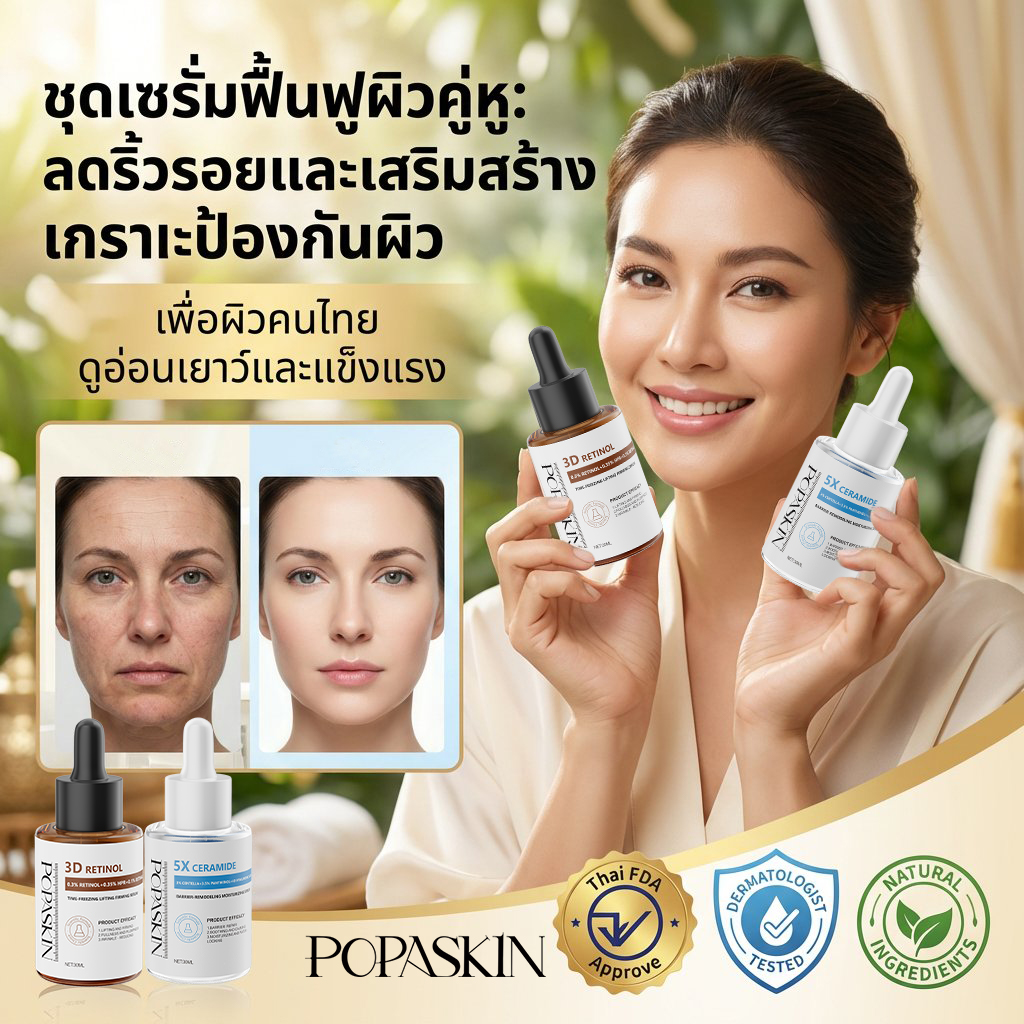
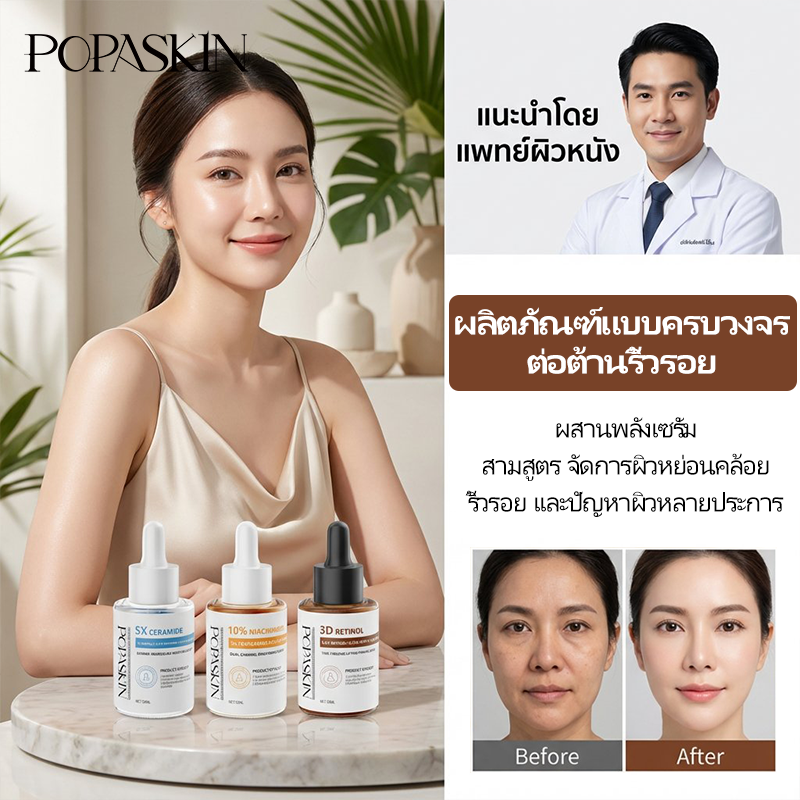
2. POPASKIN TIME-FREEZING LIFTING FIRMING SERUM
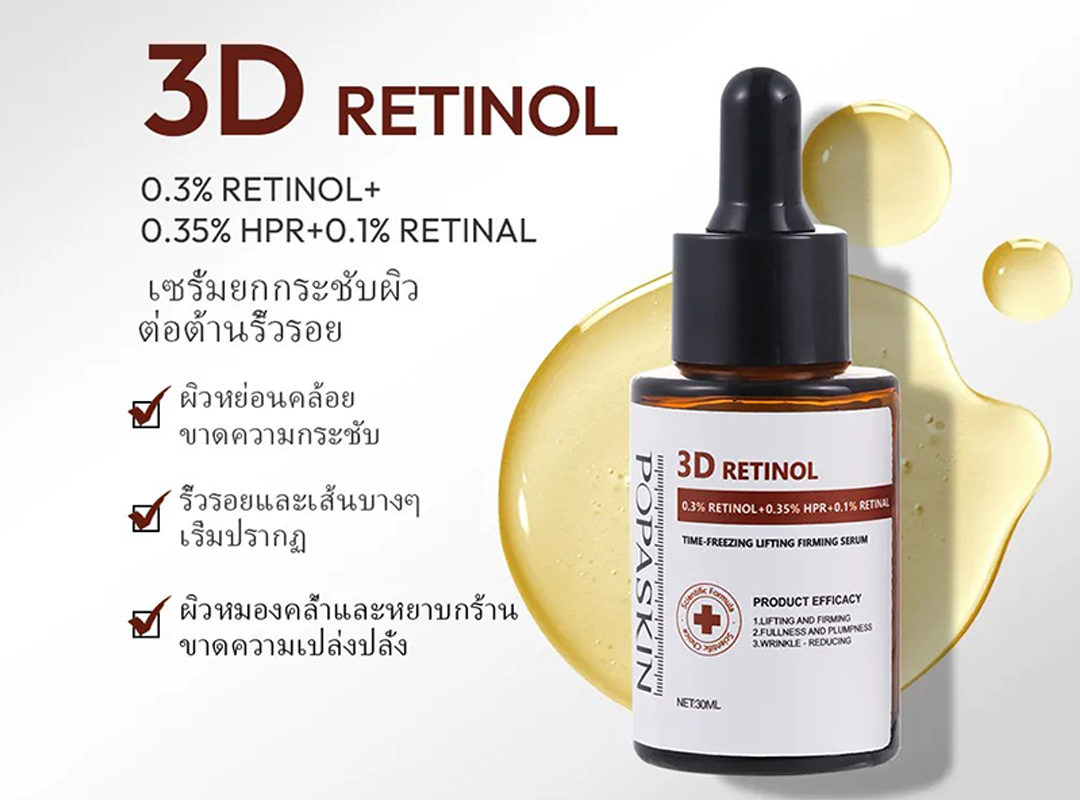
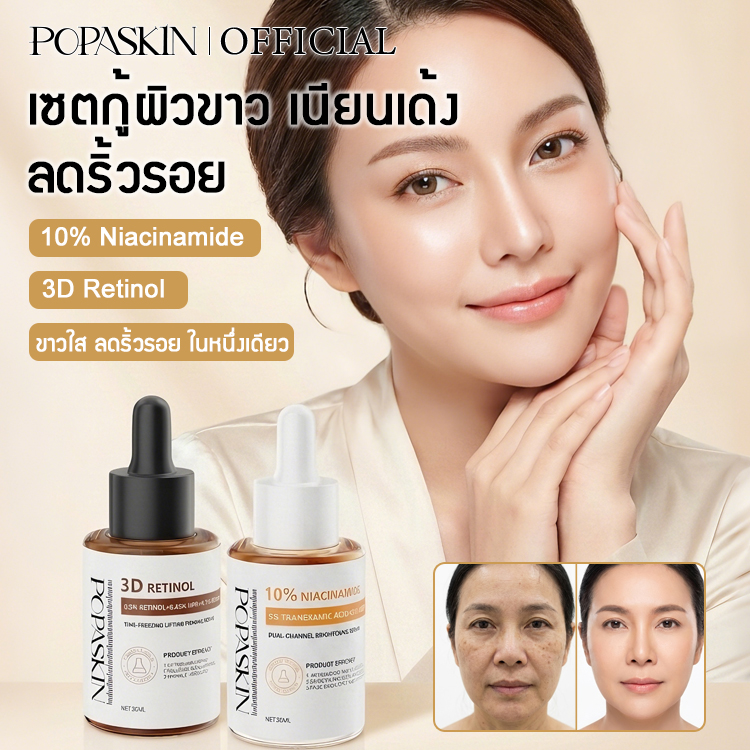
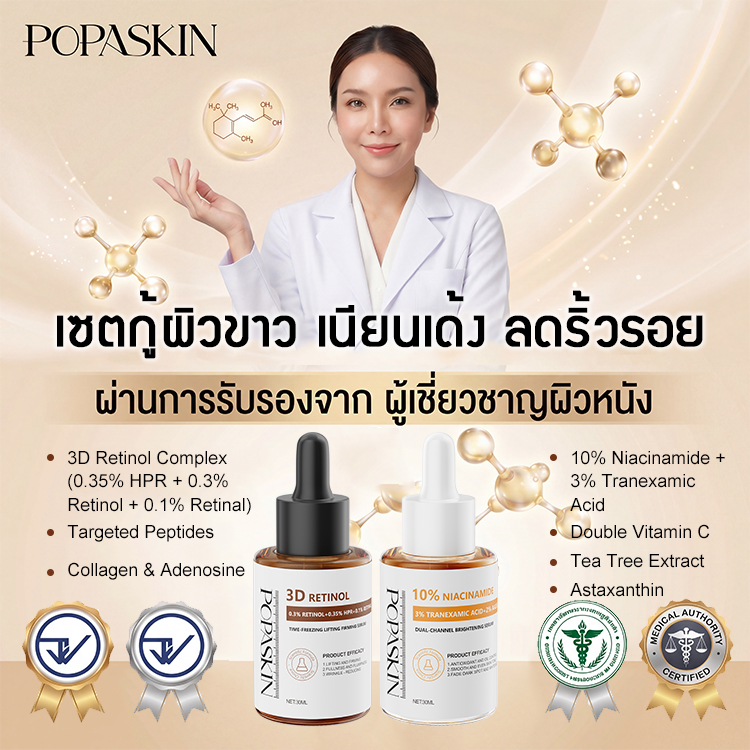
This product carefully selects three different forms and efficacy of Vitamin A ingredients. Unlike mono-retinol, it balances effectiveness with gentleness, replenishing the skin with moisture and accelerating metabolism when it's well-hydrated, preventing acne from the root.
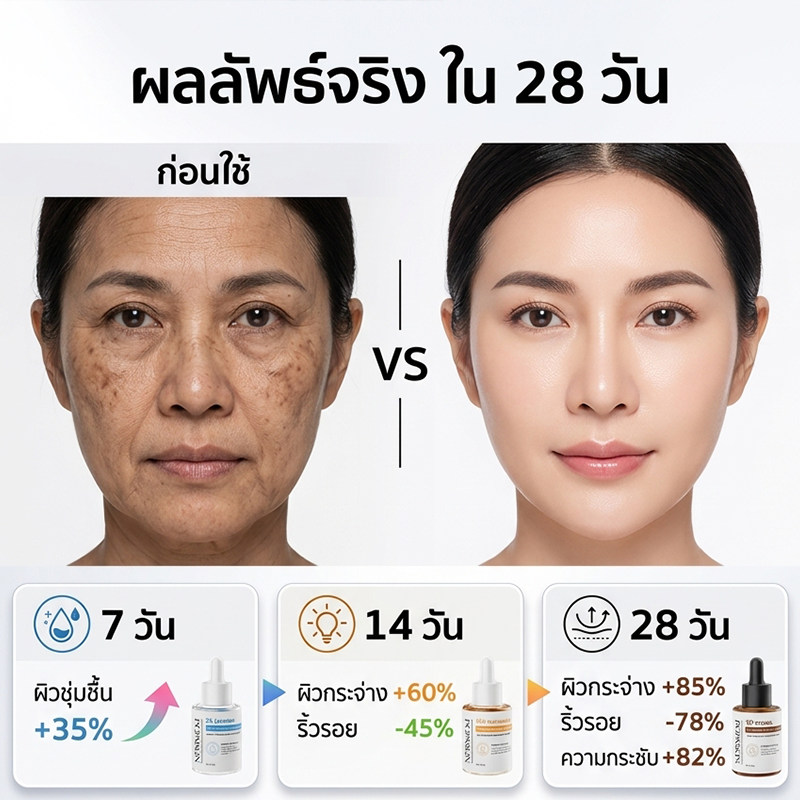
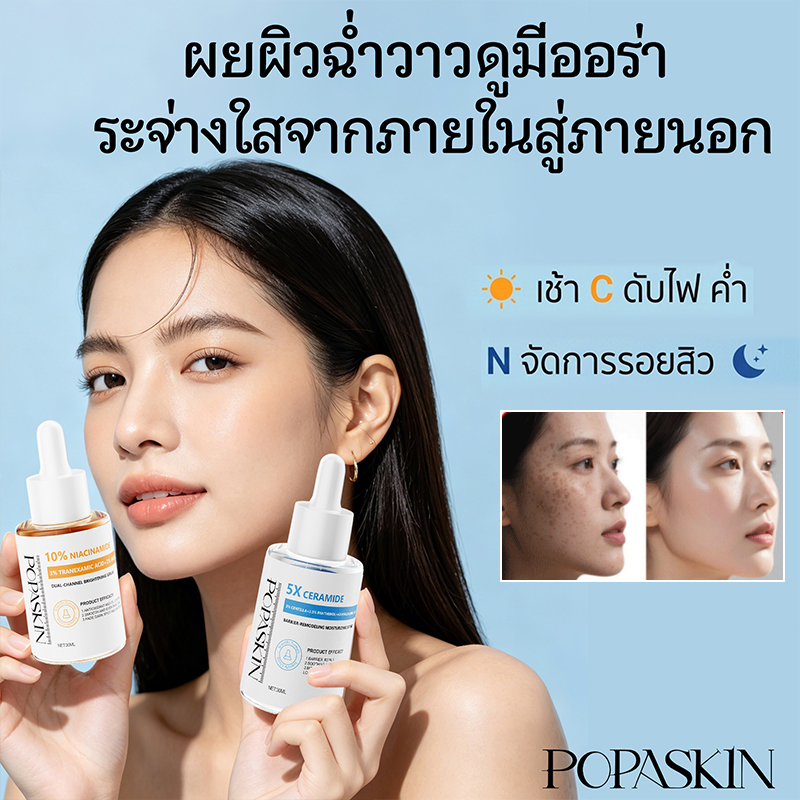
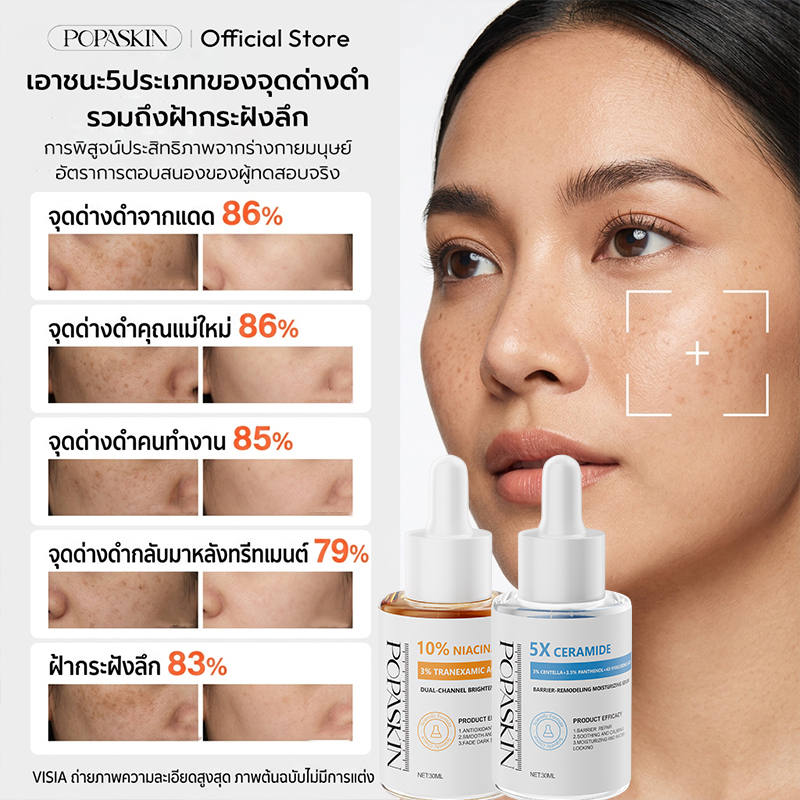
3. POPASKIN 10% Niacinamide + 3% Tranexamic Acid Brightening&Glowing Serum
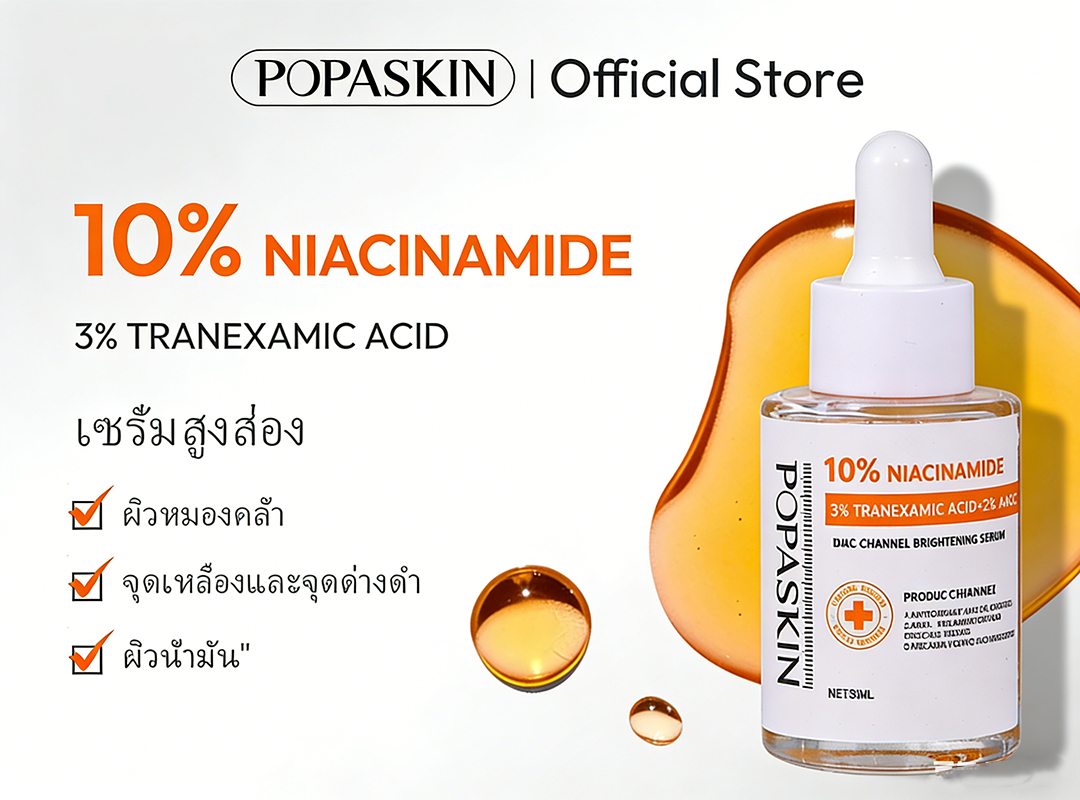
This product's core formula is made up of 10% niacinamide, 3% tranexamic acid, and two types of vitamin C, which can break down stubborn acne marks and sunspots, while also improving facial dullness and brightening your skin tone overall.
Feel free to share your go-to acne products in the comments based on your skin type and specific acne concerns - let's help each other get those precise results!
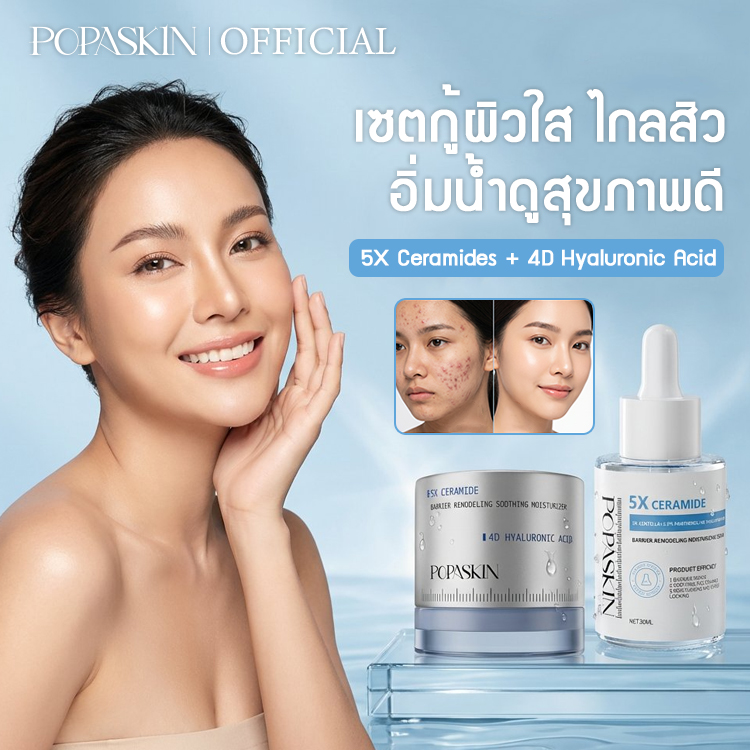
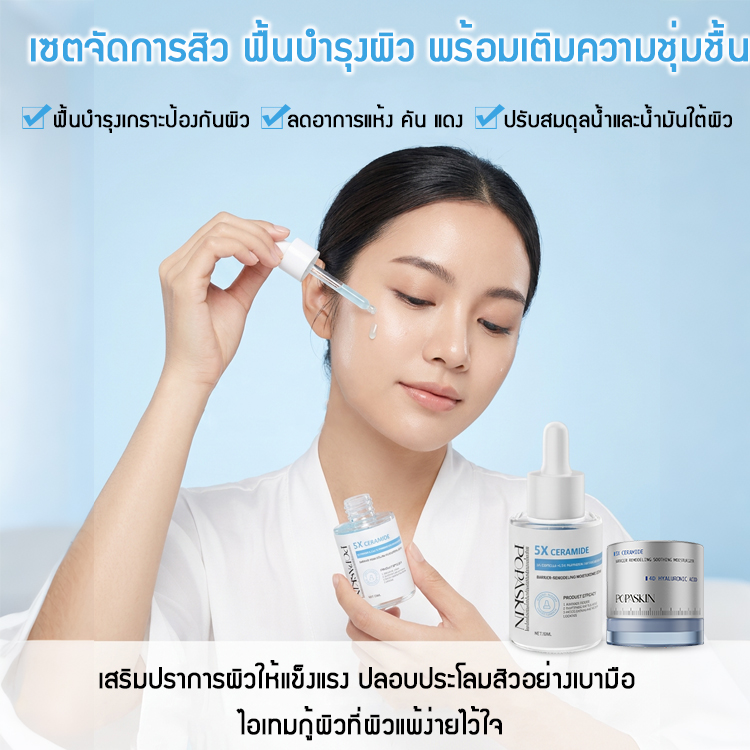
![[NEW] POPASKIN เซตบำรุงผิวชุ่มชื้นกระจ่างใส สูตรกลางวันและกลางคืน-POPASKIN](https://img.myshopline.com/image/store/1729067415231/1-20.png?w=2048&h=2048)
![[NEW] POPASKIN เซตบำรุงผิวชุ่มชื้นกระจ่างใส สูตรกลางวันและกลางคืน-POPASKIN](https://img.myshopline.com/image/store/1729067415231/2-18.png?w=1024&h=1024)